
Aeration & Overseeding in Coeur d’Alene Idaho
Core Aeration & Overseeding in Coeur d’Alene Idaho — The Most Important Service Your Lawn Needs
When you need professional aeration and overseeding in Coeur d’Alene Idaho, Endurance Lawn Care brings commercial-grade equipment and proven techniques that address the root causes of a thin, struggling lawn. Most lawn problems—thin grass, bare patches, weed invasion, poor color, and drought stress—can be traced to what’s happening below the surface. Over time, soil naturally becomes compacted. Foot traffic from children playing, pets running, and even regular mowing presses soil particles together, collapsing the tiny air pockets that roots depend on. Clay soils, common in our region, are particularly susceptible to compaction. When soil is compacted, grass roots can’t penetrate deeply. Water runs off rather than soaking in. Nutrients can’t reach the root zone. Oxygen, which roots need as much as they need water, is squeezed out. The lawn responds by thinning, allowing weeds to fill the gaps. Core aeration directly addresses this problem. Our machine pulls small plugs of soil—typically two to three inches deep—out of your lawn, creating channels for air, water, and nutrients to penetrate. The cores left on the surface break down naturally, returning organic matter to the soil. Overseeding goes hand-in-hand with aeration, using those newly created channels for perfect seed-to-soil contact. For comprehensive lawn health services, our Lawn Care & Maintenance service integrates aeration and overseeding with fertilization, weed control, and regular mowing. For regular cutting, our Lawn Mowing service maintains your lawn at the proper height throughout the growing season.
Our Aeration & Overseeding Process
Core Aeration
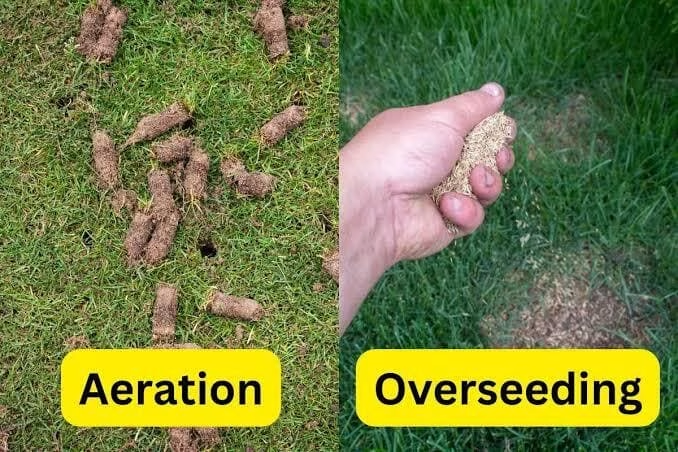
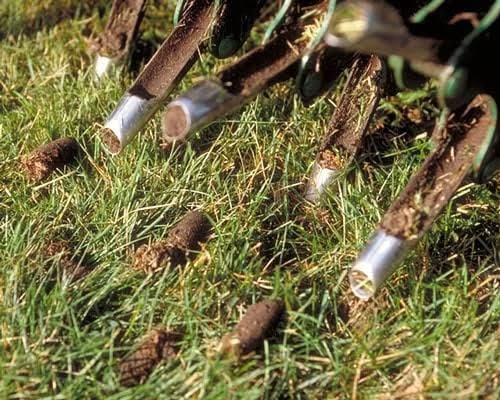
True core aeration is fundamentally different from the spike aeration that some services offer. Spike aerators simply poke holes in the soil, pushing the surrounding soil outward. This actually increases compaction around each hole. Core aerators, by contrast, mechanically remove plugs of soil, creating genuine channels that relieve pressure and allow the surrounding soil to expand. Our commercial core aerator pulls plugs two to three inches deep and about half an inch in diameter, spaced roughly every four to six inches across your entire lawn. We make multiple passes over heavily compacted areas, ensuring thorough coverage. The soil cores are left on the surface, where they dry and break down over the following weeks, redistributing organic matter and beneficial microorganisms across your lawn. Timing matters enormously for aeration. For cool-season grasses, the ideal window is early fall—late August through early October. The soil is still warm from summer, encouraging rapid root growth. The air temperatures have moderated, reducing stress on the grass. And the competition from annual weeds is declining. Spring is the second-best option, but fall aeration almost always produces superior results. We time our aeration services to coincide with these optimal windows, and we’ll advise you on the best timing for your specific lawn conditions.
Overseeding
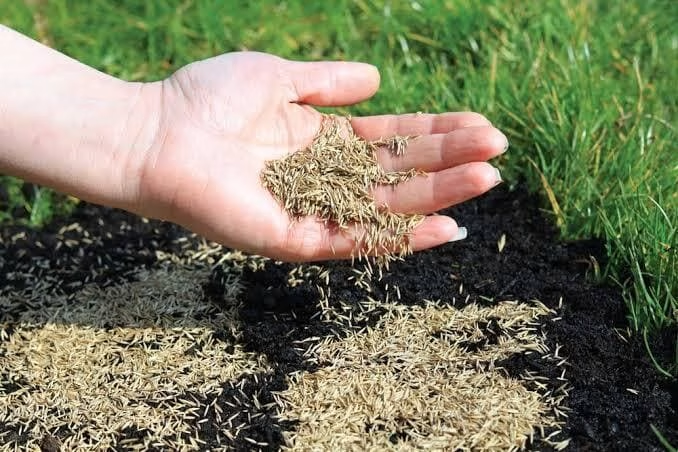
Aeration creates the ideal environment for overseeding. The holes left by the aerator provide perfect seed-to-soil contact—the single most important factor in seed germination. Rather than broadcasting seed over the surface where it may dry out or wash away, seed that falls into aeration holes is protected, in contact with moist soil, and positioned to germinate quickly. We use premium grass seed blends specifically selected for our region’s climate. These blends typically combine several varieties of Kentucky bluegrass, perennial ryegrass, and fine fescues, each chosen for specific characteristics—drought tolerance, disease resistance, shade tolerance, and color. We don’t use the inexpensive contractor blends found at big-box stores that often contain annual ryegrass or weed seed. We apply seed at the recommended rate for overseeding, using a broadcast spreader for even coverage. After spreading, we may lightly drag the lawn to help work seed into the aeration holes and improve soil contact. The seed germinates within one to three weeks, depending on species and weather conditions, filling in thin areas and introducing improved grass varieties to your lawn. For lawns with excessive thatch, our Dethatching service should be performed before aeration to ensure the aerator reaches the soil surface. For seasonal preparation, our Seasonal Cleanups service clears debris and prepares your lawn for aeration.
Signs Your Lawn Needs Aeration
Several indicators suggest your lawn would benefit significantly from aeration. If your lawn receives heavy foot traffic from children, pets, or frequent outdoor entertaining, the soil is likely compacted. If water puddles on the surface rather than soaking in after rain or irrigation, compaction is preventing proper infiltration. If your grass seems to stop growing or loses color during hot weather despite adequate watering, roots may be too shallow to access deeper soil moisture. If you’ve never aerated, and your lawn is more than a few years old, it almost certainly needs it. The easiest test is the screwdriver test. Try pushing a screwdriver into your lawn in several locations. If it penetrates easily, your soil is in good condition. If you have to force it, your soil is compacted and aeration will provide significant benefit. Another test is to examine the thatch layer—the brown material between green grass and soil. If thatch exceeds half an inch, aeration helps break it down by introducing soil microorganisms to the thatch layer while relieving the compaction that contributes to thatch buildup. For most lawns in our region, annual aeration is recommended. Lawns with heavy clay soil, high traffic, or those that are part of new construction where topsoil was removed or compacted by heavy equipment may benefit from twice-yearly aeration. Our assessment evaluates your specific conditions and recommends the appropriate schedule. For irrigation that supports your newly aerated and overseeded lawn, our Sprinkler Services provide professional system design, installation, and maintenance.
Aftercare
Caring for Your Lawn During the Establishment Period
The weeks following aeration and overseeding are critical for success, and proper aftercare makes the difference between a lawn that transforms and one that stays the same. Watering is the most important factor. Newly seeded areas need consistent moisture to germinate and establish. We recommend light, frequent watering—enough to keep the soil surface consistently moist but not saturated. This typically means watering two to three times per day for short periods during the first two to three weeks. Once the new grass reaches mowing height, you can gradually transition to deeper, less frequent watering. Mowing must be approached carefully. The soil cores on the surface will break down naturally—don’t rake them off. They’re returning valuable organic matter to your lawn. Wait until the new grass reaches at least three inches before the first mowing, and use a sharp blade to avoid pulling up young seedlings. Resume your regular mowing schedule once the new grass has been mowed twice. Fertilization should wait until the new grass has been mowed at least once. Applying fertilizer too early can burn tender seedlings. We can recommend the appropriate starter fertilizer and timing for your specific situation. Foot traffic should be minimized on newly seeded areas for the first four to six weeks to give seedlings time to establish strong root systems. For comprehensive care during the establishment period, our Lawn Care & Maintenance service provides ongoing support including proper mowing, fertilization, and monitoring. For commercial properties, our Commercial Property Care service provides aeration and overseeding for business properties, HOAs, and multi-family communities.
Why Endurance Lawn Care Is the Right Choice for Aeration & Overseeding in Coeur d’Alene Idaho
True Core Aeration, Not Spike Aeration. The difference between core aeration and spike aeration isn’t subtle—it’s the difference between fixing compaction and making it worse. Our commercial core aerator removes plugs of soil, creating genuine relief from compaction. Spike aerators that simply poke holes actually compact the soil around each hole. We invest in the right equipment because we care about results.
Premium Seed Blends for Our Region. The grass seed we use is selected specifically for our climate—blends of improved Kentucky bluegrass, perennial ryegrass, and fine fescues that thrive in our conditions. These aren’t the generic contractor mixes that may contain weed seed or grass varieties poorly suited to our region. We use premium seed because what you plant determines what grows. For the other services that support a healthy lawn, our Lawn Mowing, Dethatching, and Seasonal Cleanups services provide complete year-round care. For winter services, our Snow Removal service keeps your property accessible.
AREA WE SERVED
Proudly delivering professional aeration and overseeding across Kootenai County and the surrounding region. From lawn renovation to annual maintenance, Endurance Lawn Care is your trusted local partner for a thicker, healthier lawn.
Frequently Asked Questions About Aeration & Overseeding in Coeur d’Alene Idaho
When is the best time to aerate my lawn?
For cool-season grasses in our region, early fall—late August through early October—is the ideal window. The soil is warm, encouraging rapid root growth, while air temperatures have moderated to reduce stress. Spring is a secondary option, but fall aeration consistently produces better results because the grass has the entire fall season to establish before summer stress returns.
How do I know if my lawn needs aeration?
If water puddles rather than soaking in, if the grass thins during summer despite watering, if the soil feels hard when you walk on it, or if you can’t easily push a screwdriver into the soil, your lawn is compacted and needs aeration. Most lawns benefit from annual aeration, and lawns with heavy clay soil or high traffic may need it twice yearly.
Should I aerate before or after dethatching?
If your lawn needs both services, dethatch first, then aerate. Dethatching removes the layer of dead material so the aerator can reach the soil surface effectively. Our Dethatching service can be scheduled immediately before aeration for maximum benefit.
How long does it take for new grass to appear after overseeding?
Germination typically begins within seven to ten days for perennial ryegrass and ten to fourteen days for Kentucky bluegrass and fine fescues, depending on soil temperature and moisture. You’ll see the lawn gradually thicken over the following weeks. Full establishment, where the new grass blends seamlessly with existing turf, takes six to eight weeks.
What should I do with the soil plugs left on my lawn?
Leave them. The cores will break down naturally within two to three weeks, especially with rain or irrigation. As they dissolve, they return organic matter and beneficial microorganisms to the soil surface. Don’t rake them off—you’d be removing valuable soil and the microorganisms that help break down thatch.
Can I mow after aeration?
Wait until the soil cores have dried and begun to break down, typically three to five days. When you do mow, use a sharp blade set at your normal cutting height. The mower will help break up the remaining cores and distribute the soil. Mowing too soon, while cores are wet, can create a mess and compact the soil.
How long should I wait to apply weed control after overseeding?
Most weed control products, especially pre-emergents, will prevent grass seed from germinating along with weed seeds. Wait at least six to eight weeks after overseeding, or until the new grass has been mowed twice, before applying any weed control products. We can advise on the appropriate timing for your specific situation.
Do I need to water after aeration and overseeding?
Yes, watering is critical. Newly seeded areas need consistent moisture to germinate. Light, frequent watering—two to three times daily for short periods—keeps the soil surface moist. Once the new grass reaches mowing height, transition to deeper, less frequent watering. Our Sprinkler Services can design an irrigation system that automates proper watering for your newly seeded lawn.
Schedule Your Aeration & Overseeding in Coeur d’Alene Idaho Today
Contact Endurance Lawn Care today for a free estimate and discover why homeowners and businesses throughout Post Falls trust us for year-round property care.