Lawn Aeration & Overseeding in Post Falls, Idaho
Professional Lawn Care & Snow Plowing
Check Out Our Memberships!
Give Thin, Compacted Lawns a Better Start
A lawn can become thin, patchy, or difficult to maintain when the soil beneath it becomes compacted or the existing turf loses density. Endurance Lawn Care provides professional lawn aeration and overseeding in Post Falls and surrounding North Idaho communities to help improve growing conditions and encourage thicker, healthier turf.
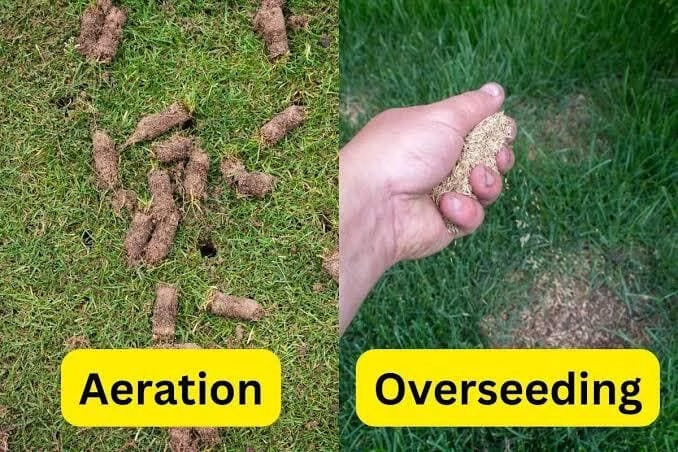
Core aeration opens the soil by removing small plugs, while overseeding adds new grass seed to areas where the lawn needs greater coverage. When these services are performed at the right time and followed with proper watering and mowing, they can be an important part of a seasonal lawn-care program.
What Does Lawn Aeration Do?
Soil can become compacted from foot traffic, pets, outdoor activities, mowing, heavy equipment, or natural settling. Compacted soil gives grass roots less room to grow and can make it harder for water and nutrients to move into the root zone.
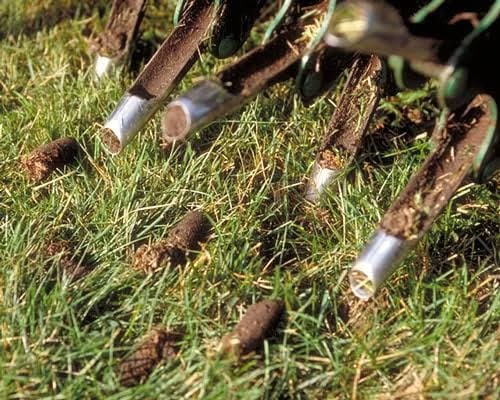
Core aeration removes small plugs of soil from the lawn, creating openings through the surface. These openings provide pathways for water, air, and nutrients to reach deeper into the soil.
Aeration can be especially useful when a lawn:
- Receives frequent foot or pet traffic
- Has dense or compacted soil
- Drains poorly after watering
- Develops thin areas despite regular maintenance
- Struggles during periods of heat or drought
- Has difficulty producing strong, consistent growth
The condition of each lawn is different, so the appropriate aeration schedule depends on the grass, soil, traffic, irrigation, and overall condition of the property.
How Overseeding Helps Thin Turf
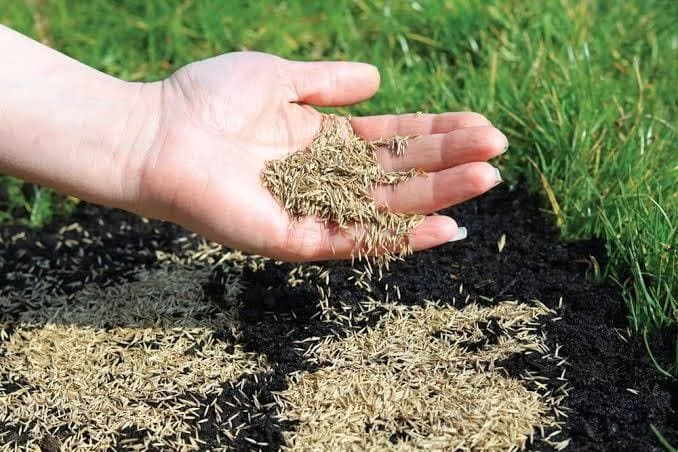
Overseeding involves spreading new grass seed across an existing lawn to improve turf density and fill areas that have become thin over time.
Grass can lose density because of seasonal stress, traffic, drought, disease, age, or unfavorable growing conditions. Overseeding gives those areas an opportunity to develop new turf without completely replacing the existing lawn.
The most successful overseeding projects depend on several factors, including:
- Appropriate grass seed for the property
- Good contact between seed and soil
- Suitable soil moisture
- Proper timing
- Adequate sunlight
- Consistent aftercare
Because aeration creates openings in the soil, combining the two services can provide newly applied seed with additional places to settle and establish.
Why Combine Aeration and Overseeding?
Aeration and overseeding address different lawn problems, but they can complement one another.
Aeration focuses on the soil environment. It helps reduce the effects of compaction and creates openings through the turf.
Overseeding focuses on turf density. It introduces new grass seed where the existing lawn has become thin.
When your lawn needs both improved growing conditions and additional grass coverage, completing these services as part of the same seasonal treatment can make sense.
Our Aeration & Overseeding Process
1. Evaluate the Lawn
We first consider the condition of the turf and the factors affecting its growth. Compaction, thin areas, irrigation, thatch, traffic, and the existing grass all help determine whether aeration, overseeding, or another lawn service is appropriate.
2. Core Aeration
A core aerator removes plugs of soil from the lawn rather than simply creating shallow holes. This opens portions of the soil surface and creates pathways into the root zone.
The removed soil plugs can remain on the lawn and gradually break down naturally.
3. Apply Grass Seed
Once the lawn has been aerated, grass seed can be distributed across the existing turf. Applying seed evenly helps target thin areas and encourages more consistent coverage as the new grass establishes.
4. Establish the New Grass
New seed requires consistent moisture and appropriate growing conditions. We can provide guidance on watering, mowing, and other maintenance practices that support establishment after overseeding.
When Should You Aerate and Overseed?
Timing matters because grass seed needs suitable conditions to germinate and establish.
For many cool-season lawns in North Idaho, late summer through early fall can be a favorable period for aeration and overseeding. Soil temperatures can remain suitable for root growth while cooler air temperatures reduce some of the stress associated with summer.
The ideal timing can vary depending on the type of grass, weather conditions, irrigation, and the condition of the lawn.
If you’re unsure whether your lawn is ready, an evaluation can help determine whether seasonal aeration and overseeding are appropriate.
Signs Your Lawn May Need Aeration
Your lawn may benefit from aeration if you notice:
- Hard or compacted soil
- Water sitting on the lawn after irrigation or rain
- Thin grass in high-traffic areas
- Bare or weak areas that do not fill in easily
- Grass that struggles during hot, dry weather
- Poor growth despite regular lawn maintenance
- Soil that is difficult to penetrate
A simple way to check for compaction is to push a screwdriver into moist soil. If the soil is unusually difficult to penetrate, compaction may be limiting the lawn’s growing environment.
However, compaction is only one possible cause of poor turf. Drainage, irrigation, grass type, shade, pests, disease, and other conditions can also affect lawn health.
What Happens After Overseeding?
The work does not end when the seed is applied. Proper aftercare is an important part of establishing new grass.
Keep the Seed Moist
Newly seeded areas generally need consistent moisture during germination. The surface should remain adequately moist without becoming excessively saturated.
Limit Heavy Traffic
Walking, pets, and other activity can disturb newly germinated grass. Limiting unnecessary traffic gives young plants time to develop.
Mow Carefully
Wait until the new grass has established enough to tolerate mowing. Use a properly maintained mower and avoid removing too much of the grass blade at one time.
Follow a Consistent Maintenance Plan
After establishment, regular mowing, irrigation, fertilization when appropriate, and seasonal lawn care can help maintain the improvements created by aeration and overseeding.
Aeration & Overseeding for Post Falls Properties
Endurance Lawn Care provides lawn care services for homeowners and businesses in Post Falls and surrounding North Idaho communities.
Local lawns can face changing conditions throughout the year, from summer heat and irrigation demands to winter weather and seasonal turf stress. Aeration and overseeding can be incorporated into a broader lawn maintenance plan when the condition of the property calls for it.
Our lawn-care services also include ongoing maintenance and other treatments that can support the appearance and condition of your outdoor space.
Why Choose Endurance Lawn Care?
Endurance Lawn Care is a local, family-owned company that has served Post Falls and surrounding North Idaho communities since 2018.
Our approach is focused on understanding the condition of each property and providing practical lawn-care services based on its needs. We work with homeowners and businesses on recurring maintenance as well as seasonal services.
When aeration or overseeding is appropriate, we can help you understand what your lawn needs, when the work should be performed, and how to care for it afterward.
Frequently Asked Questions
How often should a lawn be aerated?
The appropriate frequency depends on soil conditions, traffic, grass type, and the overall health of the lawn. Lawns with significant compaction or heavy traffic may require more frequent attention than lightly used turf.
Is fall a good time to aerate and overseed?
For many cool-season lawns in North Idaho, late summer and early fall can provide favorable conditions for aeration and overseeding. Weather and lawn conditions should be considered before scheduling the work.
Should I aerate before overseeding?
Yes. When both services are appropriate, aeration is generally performed before overseeding. The openings created by core aeration can provide places for grass seed to settle into contact with the soil.
How long does new grass take to grow?
Germination time varies according to grass type, temperature, moisture, and growing conditions. Some seed can begin germinating within days, while establishing a visibly thicker lawn takes considerably longer.
Can I walk on my lawn after overseeding?
It is best to minimize unnecessary traffic while new grass is germinating and becoming established. Excessive activity can disturb seed and young plants.
Do soil plugs need to be removed after aeration?
Usually, no. The soil plugs left by core aeration can break down naturally on the lawn and return soil material to the surface.
What if my lawn has a thick thatch layer?
A heavy thatch layer can interfere with water and seed reaching the soil. Depending on its condition, dethatching may be appropriate before aeration and overseeding.
Does overseeding replace a damaged lawn?
Not always. Overseeding is generally intended to improve an existing lawn that has thin or weak areas. Severely damaged turf may require a different approach after the cause of the problem has been identified.
Why Endurance Lawn Care Is the Right Choice for Aeration & Overseeding
True Core Aeration, Not Spike Aeration. The difference between core aeration and spike aeration isn’t subtle—it’s the difference between fixing compaction and making it worse. Our commercial core aerator removes plugs of soil, creating genuine relief from compaction. Spike aerators that simply poke holes actually compact the soil around each hole. We invest in the right equipment because we care about results.
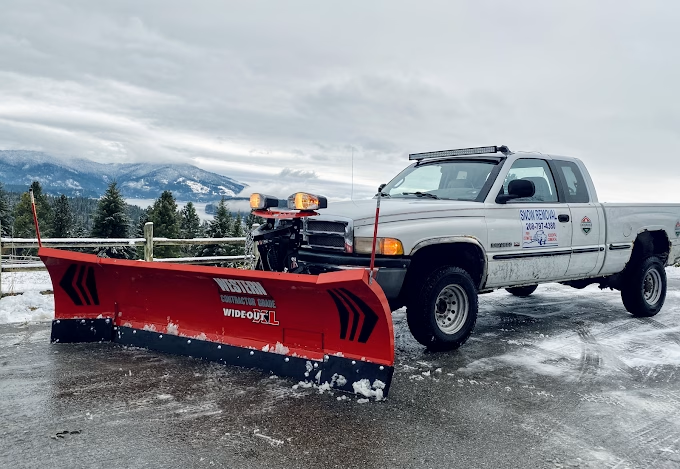
Premium Seed Blends for Our Region. The grass seed we use is selected specifically for our climate—blends of improved Kentucky bluegrass, perennial ryegrass, and fine fescues that thrive in our conditions. These aren’t the generic contractor mixes that may contain weed seed or grass varieties poorly suited to our region. We use premium seed because what you plant determines what grows. For the other services that support a healthy lawn, our Lawn Mowing, Dethatching, and Seasonal Cleanups services provide complete year-round care. For winter services, our Snow Removal service keeps your property accessible.
Improve Your Lawn This Season
If your lawn in Post Falls or the surrounding North Idaho area has become thin, compacted, or uneven, Endurance Lawn Care can help you determine whether aeration and overseeding are appropriate.
Contact us to discuss your lawn, seasonal needs, and available service options.
Endurance Lawn Care
Post Falls, Idaho
208-277-9721