
Aeration & Overseeding in Plummer Idaho

Professional Lawn Care & Snow Plowing
Check Out Our Memberships!
A lawn that looks thin, tired, or uneven may have more than a surface-level problem. Repeated traffic can compress the soil, while aging or stressed turf can gradually lose density. When compacted soil and sparse grass occur together, water may not move efficiently through the root zone and new grass can have difficulty getting established.
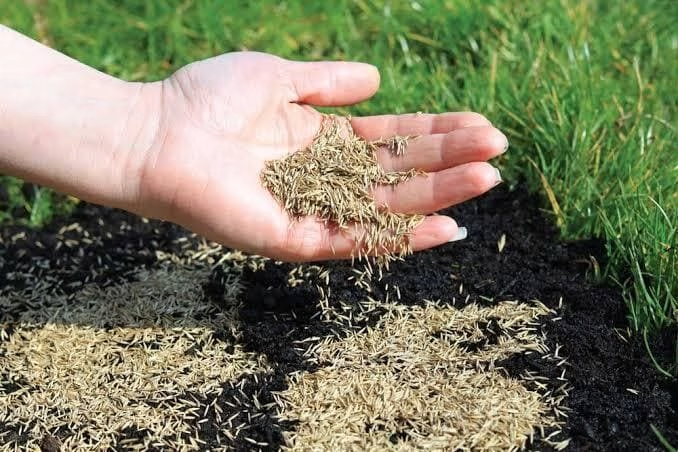
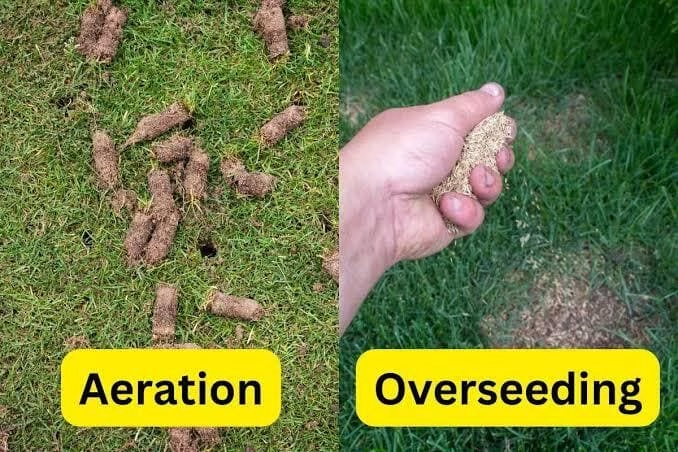
Aeration and overseeding in Plummer, Idaho can address these two issues as part of the same lawn-improvement process. Core aeration removes small plugs of soil to create openings through compacted areas, while overseeding introduces new grass seed where existing turf needs additional coverage.
Endurance Lawn Care provides lawn-care services for properties in Plummer and surrounding communities. The right treatment depends on the condition of the individual lawn, including its soil, grass type, sunlight, drainage, traffic, and maintenance history.
When a Lawn Starts Losing Density
Healthy turf depends on more than regular mowing. Grass roots need access to air, water and nutrients within the soil. When soil becomes compacted, those conditions can become more difficult to maintain.
Compaction can develop from repeated foot traffic, pets, outdoor activities, equipment, and other forms of regular use. Construction activity can also leave soil tightly packed.
University of Idaho Extension identifies soil compaction as one of the conditions that can reduce lawn health and explains that core aeration can improve air movement, water infiltration, and root growth.
Signs that your lawn may need attention include:
- Water sitting on the surface after irrigation or rain
- Thin grass in frequently used areas
- Hard soil that is difficult to penetrate
- Uneven turf density
- Grass that struggles during dry or stressful weather
- Bare areas that are not filling in naturally
- Shallow root growth
- Excessive thatch between the grass and soil
These symptoms can have several possible causes, so aeration should be considered as part of a broader lawn assessment.
What Core Aeration Does
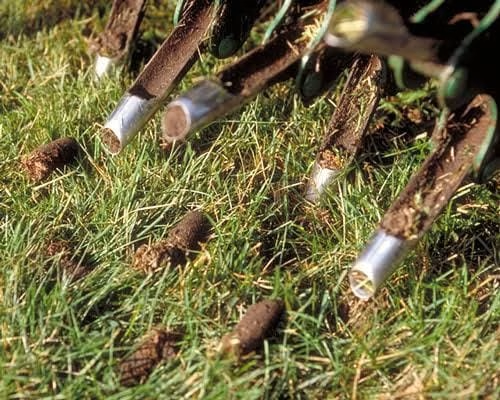
Core aeration uses hollow tines to remove plugs of soil from the lawn. The resulting openings provide pathways that can improve movement of air and water through the soil.
This differs from simply making small punctures in the surface. The soil removed by core aeration creates actual space within compacted areas.
University of Idaho recommends core cultivation as a preferred method for managing compacted lawns and excessive thatch. The university also notes that the soil cores can remain on the surface and gradually break down back into the lawn.
Aeration may be especially helpful when a lawn experiences:
- Regular foot traffic
- Heavy pet activity
- Frequent outdoor use
- Compacted soil
- Poor water infiltration
- Turf decline in high-use areas
- Excessive thatch
Aeration does not solve every lawn problem, but when compaction is limiting root development, it can improve the environment in which the grass grows.
Why Overseeding Works With Aeration
Aeration and overseeding have separate purposes.
Aeration improves the soil environment. Overseeding adds new grass plants.
A compacted lawn may have plenty of existing grass but poor growing conditions. Conversely, a lawn can have good soil but insufficient grass density. When both conditions are present, combining the services can make sense.
New seed needs contact with soil to germinate successfully. The openings produced by core aeration can give seed additional opportunities to reach the soil surface rather than remaining entirely within the existing grass canopy.
Overseeding can be considered for:
- Thin sections of otherwise usable turf
- Small bare patches
- Worn areas around frequently used spaces
- Grass that has declined after seasonal stress
- Uneven turf coverage
- Existing lawns that need gradual renovation
If a lawn has severe weed pressure, significant drainage problems, extensive turf loss, or unsuitable existing grass, overseeding alone may not be enough.
Choosing Grass Seed for Plummer
The best grass seed depends on the lawn rather than simply the city where the property is located.
University of Idaho identifies several cool-season turfgrasses commonly used in Idaho, including Kentucky bluegrass, perennial ryegrass, tall fescue and fine fescues. These grasses have different characteristics and management requirements.
Seed selection can take into account:
- Sun versus shade
- Existing grass species
- Soil conditions
- Expected traffic
- Water availability
- Desired appearance
- Maintenance requirements
- Local growing conditions
Using a seed choice suited to the site is more useful than applying one identical mixture to every lawn.
When to Aerate and Overseed in Plummer
Timing matters for both aeration and new grass establishment.
University of Idaho recommends fall as the preferred time for core aeration in Idaho, while spring is another suitable period. Fall allows cool-season turf to recover during favorable growing conditions and avoids exposing fresh aeration openings to the hottest part of summer.
For cool-season grass seed, late summer and fall are generally the best periods for establishment in Idaho. Soil temperatures are favorable for germination, while seedlings avoid much of the heat stress associated with summer establishment. Spring seeding is possible but can require additional attention as temperatures rise.
The actual timing should still be based on the condition of the lawn and current weather.
Soil should have enough moisture for the aerator tines to penetrate properly. Extremely dry or excessively wet ground can interfere with effective aeration.
Our Aeration and Overseeding Process
Evaluate the Lawn
We start by considering the condition of the existing turf. Compaction, thin areas, bare soil, thatch, drainage, traffic and grass type can all affect the recommended treatment.
This step helps determine whether aeration and overseeding are appropriate or whether another lawn service should be considered first.
Perform Core Aeration
A core aerator removes plugs of soil from the lawn. The openings help relieve compacted conditions and improve the movement of air and water around the roots.
The soil plugs are normally left on the lawn. University of Idaho recommends allowing them to break down naturally rather than removing them immediately.
Apply Grass Seed
If the lawn is a suitable candidate for overseeding, seed is distributed across the existing turf at an appropriate rate.
Seed selection should reflect the existing lawn and property conditions rather than relying on a single generic formula.
Support Germination
The seeded surface needs adequate moisture while the new grass is germinating. Watering should keep the seedbed sufficiently moist without leaving it continuously saturated.
As seedlings develop roots and become established, irrigation can gradually shift toward deeper, less frequent watering appropriate for the lawn.
Aftercare for Newly Seeded Grass
The first several weeks after overseeding are important because young seedlings are more sensitive to drying, traffic and improper mowing.
University of Idaho recommends maintaining adequate moisture during establishment and adjusting irrigation as the grass develops.
Keep the Seedbed Moist
Check the seeded areas regularly. The goal is consistent moisture during germination rather than following a rigid number of daily watering cycles regardless of weather.
Reduce Traffic
Avoid unnecessary walking, playing, or repeated pet activity on newly seeded areas. Disturbing young seedlings can interfere with establishment.
Wait Before Mowing
Give the new grass enough time to develop before mowing. When mowing begins, a sharp blade and appropriate cutting height can reduce stress on the developing turf.
Adjust Watering as the Grass Develops
Newly germinated grass and established turf have different irrigation needs. As roots become stronger, watering can gradually become deeper and less frequent.
Be Careful With Weed Control
Pre-emergent herbicides can prevent grass seed from germinating, so weed-control timing needs to be coordinated with overseeding. University of Idaho advises careful timing of lawn treatments around new seed establishment.
Aeration, Overseeding and Thatch Management
Thatch is a layer of living and dead organic material between the green grass and soil. A small amount is normal, but excessive thatch can interfere with water and air movement.
Core aeration is one of the preferred methods for managing thatch in Idaho lawns. As the removed soil cores break down, they can introduce soil microorganisms into the thatch layer and help accelerate decomposition.
That does not mean every lawn with thatch automatically needs aeration alone. The amount of thatch, its location, soil condition and overall turf health should be considered when deciding on treatment.
Does Your Plummer Lawn Need Aeration?
There is no need to aerate simply because a lawn has reached a particular age.
Instead, look at how the lawn is responding to normal maintenance.
A simple soil check can provide useful information. If a screwdriver can be pushed into moist soil with relatively little resistance, compaction may not be severe in that location. If the soil is consistently difficult to penetrate, further evaluation may be worthwhile.
Other signs include poor infiltration, thin high-traffic areas, weak root growth and turf that repeatedly struggles despite reasonable care.
University of Idaho states that most home lawns should receive core cultivation at least once a year, while tighter soils and heavily trafficked areas may require more frequent attention.
Lawn Care for Plummer Properties
A Plummer lawn may have different requirements depending on its exposure, soil, irrigation, grass variety and level of use. Properties with significant traffic can experience compaction differently from lawns that receive little activity.
That is why aeration and overseeding should be treated as lawn-specific services rather than a fixed treatment applied identically to every property.
Endurance Lawn Care provides lawn-improvement services for Plummer and surrounding communities, including aeration, overseeding and other seasonal lawn-care services.
Frequently Asked Questions
What is the difference between aeration and overseeding?
Aeration focuses on the soil by removing small plugs and reducing the effects of compaction. Overseeding adds new grass seed to an existing lawn to improve turf density.
Should I aerate before overseeding?
When both services are appropriate, aeration is normally completed before overseeding. The openings created by core aeration can provide additional opportunities for seed to contact soil.
Is fall the best time to aerate a lawn in Plummer?
University of Idaho identifies fall as the preferred season for core aeration in Idaho, with spring also suitable when conditions are appropriate.
When should I overseed my lawn?
Late summer and fall are generally the best times to establish cool-season turfgrass in Idaho. Spring seeding is possible but may require additional care as temperatures increase.
Should I remove the soil plugs after aeration?
No. The plugs can normally remain on the lawn and break down naturally. The resulting soil can return to the turf and contribute to thatch decomposition.
How often should I aerate?
University of Idaho recommends core cultivation at least annually for most home lawns. The appropriate frequency can vary depending on soil, traffic and turf conditions.
Can aeration fix standing water?
Aeration can improve infiltration when compaction contributes to the problem. It will not correct every drainage issue. Grading, soil structure, irrigation and other site conditions can also cause standing water.
How much should I water after overseeding?
New seed needs consistent moisture during germination, but there is no universal watering schedule. Weather, soil, sunlight, grass species and rainfall should all influence irrigation decisions.
Can I overseed a lawn with weeds?
That depends on the amount and type of weeds and how much desirable turf remains. A heavily weed-infested lawn may require additional preparation before overseeding will be effective.
Does aeration help with thatch?
Yes. University of Idaho identifies core aeration as a preferred method for managing thatch because the soil cores can help introduce microorganisms that assist with decomposition.
Schedule Aeration and Overseeding in Plummer
If your lawn in Plummer has become compacted, thin, worn, or uneven, aeration and overseeding may be an effective way to improve the growing environment and introduce additional turf.
Endurance Lawn Care provides lawn-care and turf-improvement services for Plummer and surrounding North Idaho communities.
Call 208-277-9721 to request an estimate for your lawn.