
Aeration & Overseeding in Spirit Lake Idaho

Professional Lawn Care & Snow Plowing
Check Out Our Memberships!
A lawn can lose density gradually even when it is mowed and watered regularly. Foot traffic, compacted soil, seasonal stress, and normal turf wear can leave grass looking thin or uneven. Aeration and overseeding in Spirit Lake, Idaho can address two different parts of the problem: opening the soil to improve growing conditions and introducing new grass seed where the existing turf needs more density.
When Your Lawn Needs More Than Routine Mowing
Regular mowing keeps grass at the desired height, but it does not correct compacted soil or replace grass that has disappeared.
A lawn may need additional attention when water has difficulty moving into the soil, grass becomes sparse in frequently used areas, or previously full sections begin showing exposed soil. These conditions can develop gradually, making the lawn look weaker from one season to the next.
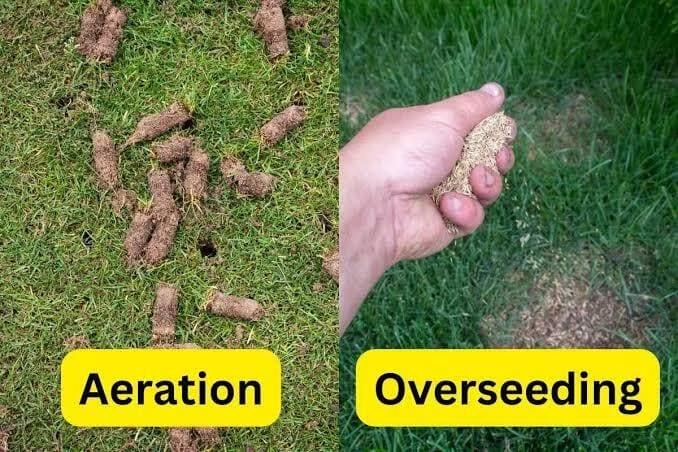
Core aeration is designed to relieve soil compaction by removing small plugs of soil from the turf. This creates openings that can improve water infiltration, air movement, and root development. University of Idaho Extension identifies these as important benefits of core aeration, particularly where soil has become compacted.
How Core Aeration Changes the Soil Environment
Core aeration does more than create visible holes across the lawn.
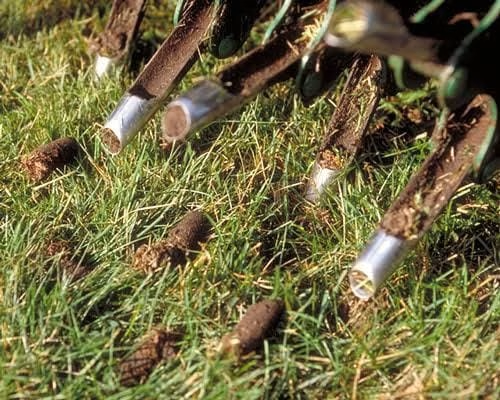
A hollow-tine aerator removes cores of soil, allowing surrounding soil to expand into the openings. This can give grass roots better access to water and oxygen while making it easier for moisture to move into compacted areas.
The soil plugs should generally remain on the lawn. As they break down, they return soil and nutrients to the turf and can help incorporate soil into the thatch layer. University of Idaho recommends setting core-aeration equipment to penetrate at least three inches and leaving the removed cores in place to decompose.
This is also why core aeration should not be confused with simply poking holes into the surface.
Overseeding Helps Restore Turf Density
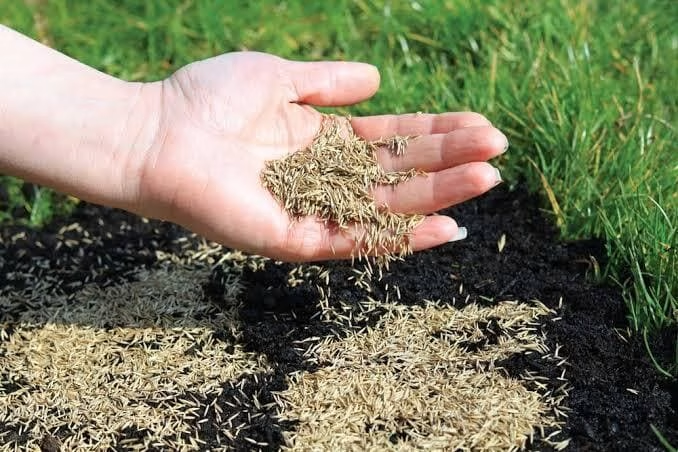
Aeration improves the growing environment, while overseeding adds new grass to the existing lawn.
Seed can be distributed across areas where the turf has become thin, helping introduce additional grass plants without completely replacing the established lawn. The choice of seed should match the growing conditions and intended use of the property.
University of Idaho identifies Kentucky bluegrass, perennial ryegrass, tall fescue, and fine fescue among the cool-season turfgrasses commonly used in Idaho. The university also recommends selecting quality seed with a high germination rate and limited weed or other crop seed.
Signs It May Be Time to Aerate and Overseed
Your Spirit Lake lawn may benefit from these services if you notice:
- Grass becoming noticeably thinner
- Bare or weak areas developing after heavy use
- Hard soil that is difficult to penetrate
- Water remaining on the surface after irrigation or rain
- Turf struggling in frequently traveled areas
- Uneven grass coverage
- A lawn that has lost density over several seasons
- Excessive thatch between the grass and soil
- Areas that recover slowly after seasonal stress
A simple soil check can provide useful information. If a screwdriver is difficult to push into moist soil, compaction may be contributing to poor turf performance. A complete lawn assessment can determine whether aeration is appropriate or whether another treatment is needed.
The Right Time for Spirit Lake Lawns
Timing plays an important role in both aeration and overseeding.
For Idaho cool-season turf, late summer and fall are generally favorable periods for establishing grass from seed. Soil temperatures support germination while new seedlings are able to establish before the following summer’s heat. Spring seeding can also work, but it generally requires more attention as temperatures rise.
Fall is also the preferred season for core aeration in Idaho. University of Idaho guidance notes that fall aeration allows cool-season turf to recover under favorable growing conditions, while summer aeration should be avoided because of heat and drying stress.
The exact service date should still depend on current soil moisture, weather, turf condition, and the grass already growing on the property.
Our Approach to Lawn Aeration and Overseeding
1. Evaluate the Existing Turf
We start by looking at the lawn rather than automatically applying the same treatment to every property. Thin areas, compacted sections, thatch, traffic patterns, and overall turf density can all affect the appropriate approach.
2. Prepare the Lawn for Aeration
The soil should have enough moisture for the aerator tines to penetrate properly. University of Idaho recommends moistening the lawn before core aeration because dry soil can limit penetration.
3. Perform Core Aeration
The aerator removes soil cores from the lawn, opening the soil profile and creating space for improved movement of water and air.
4. Apply New Grass Seed
After aeration, seed is distributed across the lawn at an appropriate rate for the existing turf and intended result. Areas that need additional density receive attention without unnecessarily disturbing healthy established grass.
5. Support Establishment
New seed requires consistent moisture during germination. Watering is adjusted as the seedlings grow so the lawn can gradually move from establishment watering toward normal irrigation.
Taking Care of the Lawn After Seeding
The first several weeks are important because young seedlings are much more vulnerable than established turf.
Keep Seeded Areas Moist
The soil surface should remain adequately moist during germination. University of Idaho notes that newly seeded areas may require light, frequent irrigation, particularly during hot and dry weather. As seedlings develop, watering can become less frequent while the amount applied increases.
Reduce Unnecessary Traffic
Try to keep people, pets, and equipment away from newly seeded areas whenever possible. Repeated traffic can disturb developing seedlings and compact the soil again.
Avoid Rushing the First Mowing
Allow new grass to reach an appropriate mowing height before cutting. The first few mowings should be handled carefully so young plants remain rooted securely.
Be Careful With Weed Treatments
Newly seeded turf can be sensitive to herbicides. University of Idaho recommends waiting until a new seeding has been mowed at least four times before applying herbicide, with the product label taking precedence for specific restrictions.
Aeration, Overseeding, and Thatch Are Not the Same Service
These lawn treatments address different conditions.
Aeration targets soil compaction and improves the physical environment around the roots.
Overseeding adds new grass seed to increase turf density in thin areas.
Thatch management addresses an excessive layer of organic material between the grass and soil. A small amount of thatch is normal, but University of Idaho identifies more than about one-half inch as excessive. Core aeration can help manage thatch because the soil cores mix with the organic layer as they break down.
If a lawn has significant thatch, the appropriate preparation should be determined before simply combining every service.
Lawn Improvement for Spirit Lake Properties
Spirit Lake lawns can vary considerably based on property use, soil conditions, irrigation, shade, grass type, and traffic.
A residential lawn with children and pets may develop compacted areas around commonly used sections. A quieter property may have different problems, such as gradual thinning or uneven growth. Commercial and shared properties can experience additional wear in entrances, walkways, and other high-use areas.
That is why aeration and overseeding should be approached as lawn-improvement services rather than a one-size-fits-all treatment.
Why Choose Endurance Lawn Care?
Endurance Lawn Care provides lawn care and seasonal property services in Post Falls and surrounding North Idaho communities, with aeration and overseeding among its lawn-improvement services.
For a Spirit Lake lawn, the objective is to improve the conditions that support healthy turf while addressing areas where grass coverage has declined. Proper timing, suitable seed, appropriate aeration, and consistent follow-up care all contribute to the establishment process.
Frequently Asked Questions
What does lawn aeration do?
Core aeration removes small plugs of soil from the lawn. The resulting openings can improve water infiltration, air movement, and root development, particularly in compacted soil.
When should I overseed in Spirit Lake?
Late summer and fall are generally favorable for establishing cool-season grass in Idaho. Spring is another option, although new grass may need additional care as summer temperatures increase.
Should aeration and overseeding be done together?
They can complement one another. Aeration addresses soil conditions while overseeding introduces additional grass seed into the existing turf.
How often should a lawn be aerated?
University of Idaho recommends that most home lawns receive core aeration at least annually. Lawns with heavy traffic or tight clay soil may need it more frequently.
Should I remove the soil plugs after aeration?
No. The plugs should generally be left on the lawn to break down naturally. The soil can return nutrients to the turf and contribute to thatch decomposition.
Does overseeding work on every thin lawn?
Not necessarily. Severe thatch, extensive weed invasion, poor soil conditions, or significant turf damage may require additional preparation before overseeding. The condition of the existing lawn should be evaluated first.
How much should I water after overseeding?
Newly seeded areas need consistent surface moisture during germination. University of Idaho recommends light, frequent irrigation during this stage, followed by a gradual transition toward deeper and less frequent watering as seedlings establish.
Can aeration be done during summer?
For Idaho cool-season lawns, summer is generally not the preferred period for core aeration because heat and drying conditions can slow recovery. Fall is the preferred season, with spring as another suitable window.
What if my lawn has too much thatch?
Excessive thatch may require a different preparation strategy. Core aeration can help manage thatch, while more severe buildup may require additional renovation work. University of Idaho identifies more than one-half inch as excessive thatch.
Schedule Aeration & Overseeding in Spirit Lake Idaho
If your lawn has become thin, compacted, or worn, professional aeration and overseeding can be part of a practical turf-improvement plan. Endurance Lawn Care can assess the existing lawn and determine whether aeration, overseeding, or additional preparation is appropriate.
Call 208-277-9721 to request an estimate for aeration and overseeding in Spirit Lake, Idaho.