
Aeration & Overseeding in Worley Idaho
Professional Lawn Care & Snow Plowing
Check Out Our Memberships!
A lawn does not always lose its quality because of a lack of mowing or watering. Soil conditions, repeated traffic, aging turf, and thinning grass can gradually change how a lawn looks and responds to care. Aeration and overseeding in Worley, Idaho can help address these conditions by opening compacted soil and introducing new grass seed into areas where existing coverage has become sparse.
Bring New Life to Worn Lawn Areas
Grass depends on a healthy relationship between its roots, soil, water, and air. When the soil becomes compacted, roots have less room to grow and water may not move through the soil as effectively.
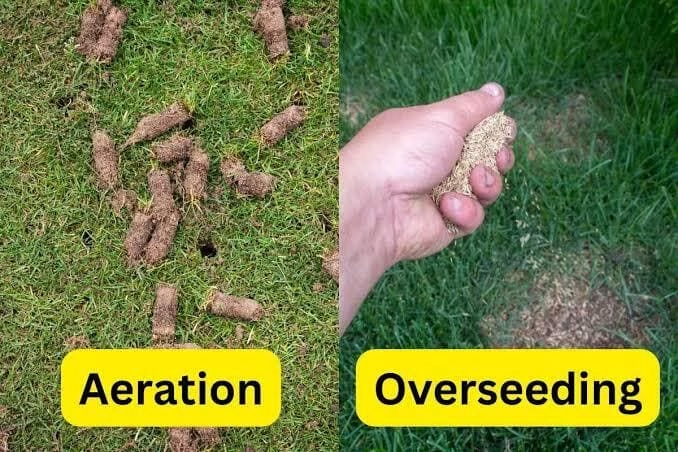
Core aeration removes small plugs of soil from the lawn. This creates openings that can improve air movement, water infiltration, and root growth. University of Idaho Extension identifies these as key benefits of core aeration and recommends it as a way to address soil compaction and excessive thatch.
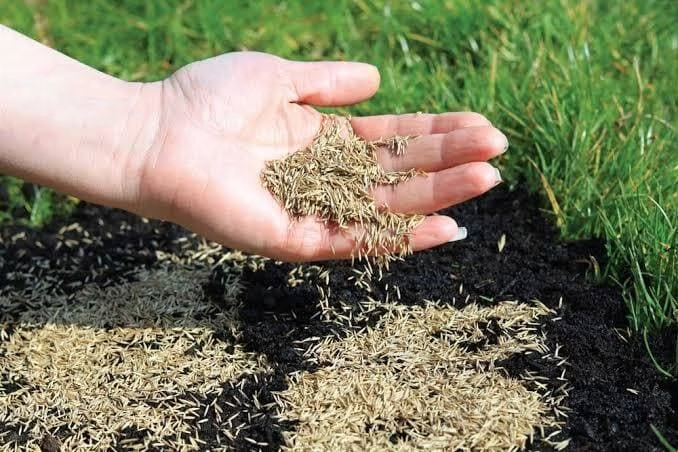
Overseeding addresses a different part of the problem. It introduces new grass seed into an established lawn to help thicken sparse turf and fill areas that have gradually lost coverage.
Why Worley Lawns May Become Thin
Lawn density can decline for several reasons, and not every thin area has the same cause.
Common contributors include:
- Repeated walking or outdoor activity
- Pet traffic
- Soil compaction
- Poor water infiltration
- Seasonal heat and drought stress
- Natural aging of the turf
- Previous lawn damage
- Excessive thatch
- Areas that receive different amounts of sunlight
- Grass varieties that do not perform well under the property’s conditions
A lawn can also appear healthy from above while developing compacted conditions underneath. Looking at both the grass and soil helps determine whether aeration and overseeding are appropriate.
Core Aeration Opens the Soil
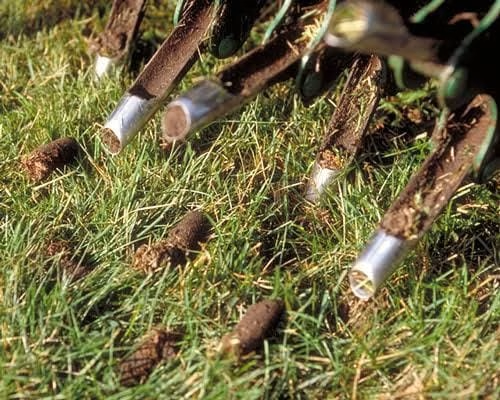
Core aeration uses hollow tines to remove plugs of soil from the lawn rather than simply pressing holes into the ground.
The openings can give roots additional space and improve the movement of air and water through the root zone. University of Idaho recommends moistening the soil before aeration so the equipment can penetrate properly. Its core-aeration guidance recommends penetration of at least three inches and leaving the removed cores on the lawn to break down naturally.
The soil plugs do not need to be hauled away. As they break down, they can return soil and nutrients to the turf and help incorporate soil into the thatch layer.
Overseeding Adds Grass Where Coverage Has Declined
Aeration can improve the soil environment, but it does not replace grass that is no longer growing. That is where overseeding becomes useful.
New seed can be distributed through existing turf to increase density in thinner sections. University of Idaho notes that overseeding can be used to thicken sparse turf and that late summer or early fall is generally the preferred period for overseeding Idaho lawns.
Seed quality also matters. University of Idaho recommends choosing seed with a high germination rate and minimal weed and other crop seed. Common Idaho cool-season lawn grasses include Kentucky bluegrass, perennial ryegrass, tall fescue, and fine fescue.
How to Tell if Your Lawn Could Benefit
Walk around your Worley property and look for changes in the turf rather than focusing only on its color.
Possible signs include:
- Thin grass that exposes more soil than it used to
- Bare or weak patches
- Hard soil in heavily used areas
- Water that struggles to soak into the lawn
- Grass that performs poorly in compacted sections
- Uneven turf density
- Areas repeatedly damaged by foot traffic
- A noticeable layer of thatch
- Grass that has gradually declined over multiple seasons
A simple screwdriver check can also provide a useful indication of soil resistance. If a screwdriver is difficult to push into moist soil, compaction may be part of the problem.
However, compaction is not the only reason a lawn can struggle. Poor irrigation, unsuitable grass varieties, disease, shade, and other site conditions may require a different solution.
Timing Your Worley Lawn Service
Timing is particularly important when introducing new grass.
Idaho’s common cool-season turfgrasses grow most actively during the cooler portions of the year. University of Idaho recommends late summer and fall as the best general period for seeding cool-season grasses because soil temperatures are favorable for germination and young seedlings avoid the strongest summer heat.
Fall is also the preferred season for core aeration in Idaho. University of Idaho explains that fall conditions allow cool-season turf to recover quickly while reducing the stress associated with summer heat. Spring is another option, while summer aeration should generally be avoided for cool-season lawns.
The actual timing should still be based on the lawn’s condition, soil moisture, weather, and grass type.
A Practical Aeration and Overseeding Process
Lawn Assessment
The first step is understanding what is happening across the property. Thin areas, compacted soil, thatch, traffic patterns, and existing grass coverage can all affect the recommended approach.
Soil Preparation
Adequate soil moisture helps core-aeration equipment reach the intended depth. The lawn should be prepared so the soil is moist enough for effective penetration without being excessively wet.
Core Aeration
The lawn is mechanically aerated using hollow tines that remove soil cores. Multiple passes may be appropriate where the lawn has more significant compaction.
Overseeding
Grass seed is distributed across the existing lawn, with attention given to sparse or worn areas. The seed selection should be appropriate for the site’s growing conditions and the characteristics desired from the turf.
Initial Watering
Newly seeded grass requires consistent moisture during germination. University of Idaho recommends light and frequent irrigation during this stage, with watering becoming less frequent and deeper as seedlings develop.
What to Expect After the Service
Aeration and overseeding are not an instant lawn transformation. New grass needs time to germinate and establish roots.
During the establishment period:
Keep the seedbed adequately moist. The surface should not be allowed to dry out during germination.
Limit unnecessary traffic. Walking and equipment can disturb developing seedlings and create new compaction.
Do not rush mowing. New grass should be allowed to reach an appropriate mowing height before the first cut.
Adjust irrigation as the lawn develops. Once seedlings are established, watering can gradually transition away from frequent surface irrigation toward deeper watering.
Be cautious with herbicides. Newly seeded turf can be sensitive to weed-control products. University of Idaho recommends waiting until new grass has been mowed at least four times before applying herbicides, while product labels should always be followed.
What About Thatch?
Thatch is a layer of organic material between the living grass and soil. A modest amount is normal, but excessive buildup can interfere with water and air movement.
University of Idaho considers approximately one-half inch of thatch or less generally acceptable and identifies core aeration as a preferred method for managing excessive thatch. The soil removed during aeration can mix into the organic layer and help it break down.
If the lawn has a substantial thatch problem, it should be evaluated before overseeding. Simply adding seed without addressing a major barrier between seed and soil may not provide the desired result.
Lawn Improvement for Worley Properties
Worley properties can have very different lawn conditions depending on how the property is used and maintained.
A frequently used residential lawn may develop compacted sections around entrances, outdoor living areas, or other high-traffic locations. A larger property may have isolated thin areas caused by irrigation differences, shade, soil conditions, or normal turf decline.
This makes a property-specific approach more useful than treating every lawn according to the same schedule.
Aeration can help improve the physical condition of the soil, while overseeding can increase turf density where existing grass has become sparse. When combined with appropriate mowing, irrigation, and seasonal care, these services can become part of a broader lawn-maintenance program.
Why Endurance Lawn Care?
Endurance Lawn Care provides lawn care and property-maintenance services from its North Idaho operation, including aeration and overseeding.
For a Worley lawn, the focus should be on identifying the actual reason turf is declining and selecting the appropriate lawn-improvement work. Aeration, seed selection, watering, and establishment care all have a role in helping new grass become part of the existing lawn.
Frequently Asked Questions
What does core aeration do for a lawn?
Core aeration removes plugs of soil and creates openings through the turf. This can improve water infiltration, air movement, and root growth in compacted soil.
When should I overseed a lawn in Worley?
For Idaho cool-season lawns, late summer and fall are generally the preferred periods for overseeding. Spring is possible but can require additional care as temperatures increase.
Should I aerate before overseeding?
Aeration is commonly performed before overseeding because it opens the soil and creates additional opportunities for seed to contact soil. The exact preparation depends on the condition of the lawn.
How often does a lawn need aeration?
University of Idaho states that typical home lawns should be core aerated at least once a year. Lawns with serious compaction, heavy traffic, or heavy clay soil may benefit from more frequent aeration.
Should the soil plugs be removed?
No. The cores can be left on the lawn to break down naturally. They can return soil and nutrients to the turf and help with thatch decomposition.
Can overseeding repair every bare spot?
No. Overseeding works best when the existing lawn can support new grass. Extensive bare areas, poor soil, excessive thatch, irrigation problems, or other underlying issues may require additional preparation.
How should I water after overseeding?
Keep the surface consistently moist during germination with light, frequent irrigation. As the new grass becomes established, watering can gradually become less frequent and deeper.
Can I aerate during summer?
For Idaho cool-season turf, summer is generally not the preferred time for core aeration because heat and drying can slow recovery. Fall is preferred, with spring as another suitable period.
What if my lawn has heavy thatch?
Excessive thatch should be evaluated before overseeding. Core aeration can help manage thatch, while more severe buildup may require additional preparation.
Schedule Aeration & Overseeding in Worley Idaho
If your lawn has become sparse, compacted, or worn, aeration and overseeding can address two important aspects of turf improvement: creating better soil conditions and adding new grass to thin areas.
Endurance Lawn Care can evaluate your Worley property and determine whether aeration, overseeding, or additional lawn preparation is appropriate.
Call 208-277-9721 to request an estimate for aeration and overseeding in Worley, Idaho.