Dethatching in Hauser Idaho
Professional Lawn Care & Snow Plowing
Check Out Our Memberships!
A lawn can have healthy-looking grass on top while an excessive layer of organic material builds up underneath. Dethatching in Hauser, Idaho from Endurance Lawn Care is designed for lawns where thatch has accumulated beyond a useful level and is interfering with normal turf maintenance. We can help determine whether your lawn actually needs thatch removal or whether another service, such as core aeration, would better address the condition.
Understanding Thatch in Your Lawn
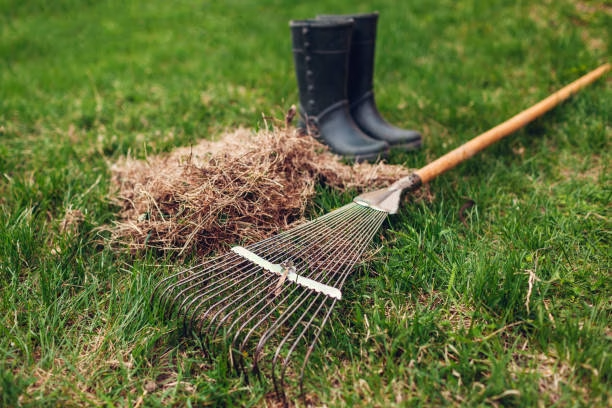
Thatch is the layer of living and dead roots, stems, shoots, and other organic material that develops between the grass blades and soil.
A small amount of thatch is normal. It becomes a concern when the layer grows thick enough to interfere with the movement of water, nutrients, and air into the soil.
University of Idaho guidance indicates that a thatch layer of around one-half inch or less can be acceptable, while thicker accumulation may require attention. (uidaho.edu)
Thatch is also different from ordinary grass clippings. Properly managed clippings generally break down quickly and return nutrients to the lawn rather than creating a major thatch problem. Much of the slowly decomposing material in a heavy thatch layer comes from roots and stems. (uidaho.edu)
The Dethatching Process
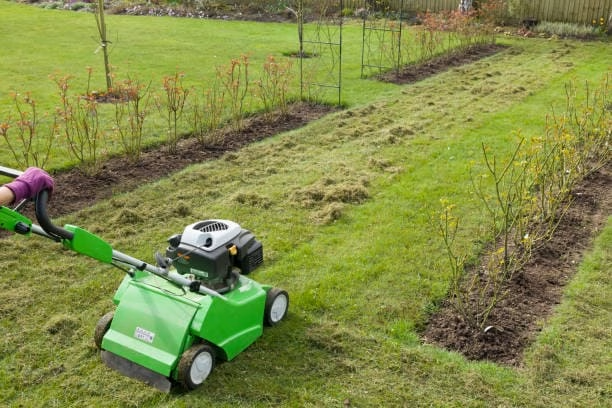
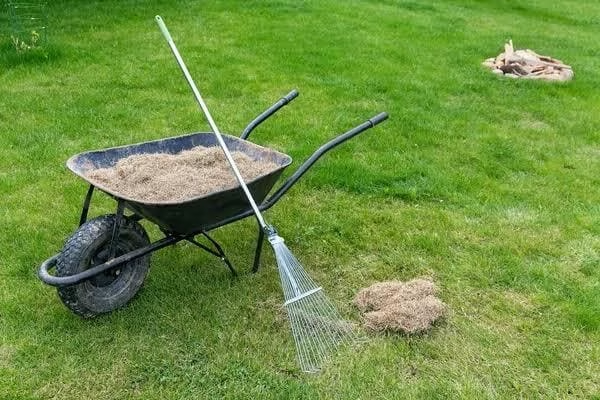
Our commercial power rake is fundamentally different from the dethatching attachments sold for residential mowers. Those light-duty tools scratch the surface without penetrating the thatch layer. Our machine uses heavy-duty spring tines or fixed blades that rotate vertically, slicing through the thatch and pulling dead material to the surface. We adjust the blade depth to your specific thatch thickness—deep enough to remove the problematic layer, shallow enough to avoid damaging the soil surface or tearing out healthy grass crowns. We make multiple passes in different directions to ensure thorough thatch removal across the entire lawn. The dead material pulled to the surface can be surprising in volume—a heavily thatched lawn can produce enough debris to fill dozens of lawn bags. We rake and remove this material, leaving your lawn looking temporarily rough but prepared for rapid recovery. The thatch debris can be hauled away or, for clients who compost, piled in a designated area for decomposition. After dethatching, your lawn will look significantly distressed—this is normal and temporary. The grass has been aggressively raked, and the thatch that was hiding bare spots and thin areas is gone. Recovery begins immediately, and with proper watering and care, your lawn will emerge thicker, healthier, and better connected to the soil within a few weeks. For lawns that need both dethatching and aeration, we perform dethatching first, followed by aeration. The dethatching clears the surface so the aerator can work effectively. Our Aeration & Overseeding service is the ideal follow-up to dethatching, using the newly exposed soil for perfect seed-to-soil contact. For regular maintenance after recovery, our Lawn Mowing service maintains proper cutting height and frequency.
What Causes Excessive Thatch?
Thatch is composed primarily of grass stems, roots, and rhizomes—plant parts that contain lignin, a tough compound that resists decomposition. In a healthy lawn, these materials break down at roughly the same rate they’re produced, maintaining a thin, beneficial thatch layer. Excessive thatch develops when production outpaces decomposition. Several factors contribute to this imbalance. Overwatering and frequent shallow irrigation encourage roots and stems to grow in the upper soil layer, producing more thatch-building material. Over-fertilization, particularly with high-nitrogen fertilizers, pushes rapid leaf growth without corresponding root development, adding to the thatch layer faster than microorganisms can break it down. Compacted soil reduces the population of earthworms and beneficial microorganisms that decompose thatch. Certain grass species, particularly Kentucky bluegrass and creeping red fescue, are naturally heavy thatch producers. Improper mowing—cutting too infrequently and leaving long clippings that mat on the surface—contributes to thatch accumulation, though normal-length clippings from regular mowing do not. The key to preventing excessive thatch is balanced lawn care—proper watering, appropriate fertilization, regular mowing at the correct height, and periodic aeration to maintain healthy soil biology. Our Lawn Care & Maintenance service provides this balanced care throughout the growing season. For seasonal preparation, our Seasonal Cleanups service clears debris and prepares your lawn for the growing season.
Recovery and Aftercare Following Dethatching
Helping Your Lawn Bounce Back
The appearance of your lawn immediately after dethatching can be alarming—brown, ragged, and significantly thinner than before. This is normal and temporary. The thatch that was padding the surface is gone, exposing soil and the base of grass plants. Recovery begins within days as the grass responds to its improved access to air, water, and sunlight. Watering is the most important aftercare practice. Your lawn will need consistent moisture to recover, but the water can now penetrate directly into the soil rather than sitting in the thatch layer. Water deeply but less frequently than you might expect—one to one-and-a-half inches per week, applied in one or two sessions. This encourages roots to grow downward into the soil rather than staying near the surface. Mowing should resume once the grass reaches its normal cutting height. The first few mowings may pick up additional thatch debris that the power rake missed or that has loosened since the service. Use a sharp blade to avoid stressing the recovering grass. Fertilization after dethatching can accelerate recovery. A balanced fertilizer applied about a week after dethatching provides the nutrients the grass needs to repair and regrow. Avoid high-nitrogen fertilizers that push excessive leaf growth at the expense of root development. If your dethatching revealed significant bare or thin areas, overseeding should be performed within a few days of dethatching. The exposed soil provides excellent seed-to-soil contact, and the reduced thatch layer means new seedlings can root directly into the soil. Our Aeration & Overseeding service is the perfect complement to dethatching for lawns that need both thatch removal and thickening. For ongoing irrigation support, our Sprinkler Services provide professional system design, installation, and maintenance. For commercial properties, our Commercial Property Care service provides dethatching and complete grounds care for business properties.
Why Endurance Lawn Care Is the Right Choice for Dethatching in Hauser Idaho
Commercial Power Rakes, Not Residential Attachments. The dethatching blades you can attach to a residential mower scratch the surface without penetrating the thatch layer. Our commercial power rake uses heavy-duty spring tines or fixed blades that slice through thatch of any thickness and pull the dead material to the surface where it can be removed. The difference in results is dramatic and visible.
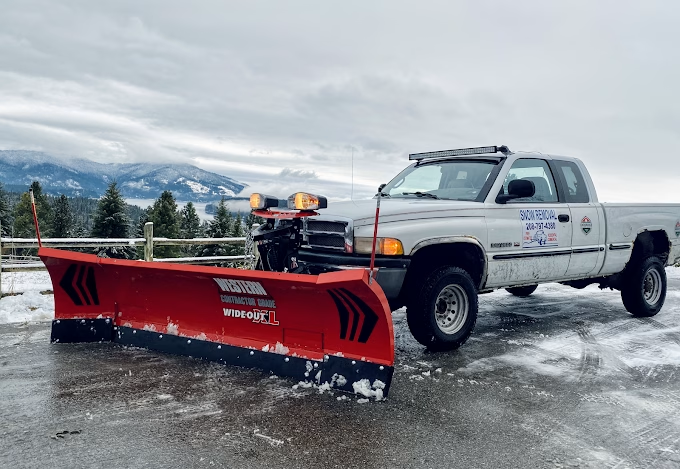
We Only Dethatch When Your Lawn Needs It. Some lawn care companies push dethatching as a routine annual service for every customer. We don’t. We measure your thatch layer before recommending the service. If your thatch is at a healthy level, we’ll tell you and save you the cost and stress of an unnecessary procedure. When we do recommend dethatching, we’ll show you exactly why. For the services that support a healthy lawn year-round, our Lawn Mowing, Aeration & Overseeding, and Seasonal Cleanups services provide complete care. For winter services, our Snow Removal service keeps your property accessible.
Frequently Asked Questions
What is lawn dethatching?
Dethatching is the mechanical removal of excessive organic material that has accumulated between the grass and soil. It is used when the thatch layer has become thick enough to interfere with normal turf conditions.
How much thatch is too much?
University of Idaho guidance generally considers a thatch layer around one-half inch or less acceptable. When the layer becomes thicker, it can begin interfering with water and nutrient movement. (uidaho.edu)
Does every lawn need to be dethatched?
No. A thin thatch layer can be normal and useful. Dethatching is generally considered when excessive buildup is affecting the lawn.
Are grass clippings responsible for thatch?
Not usually. Properly managed grass clippings decompose relatively quickly. Thatch is more closely associated with slowly decomposing roots, stems, and other plant material. (uidaho.edu)
Is power raking the same as dethatching?
The terms are sometimes used for similar work, but power raking can involve more aggressive mechanical removal. The appropriate method depends on the lawn’s condition and amount of thatch.
Can dethatching damage grass?
Yes, overly aggressive dethatching can damage living turf. University of Idaho recommends caution when power raking and advises against unnecessarily aggressive removal. (uidaho.edu)
Should I aerate instead of dethatch?
That depends on the problem. Dethatching addresses excessive organic buildup, while core aeration is primarily used for soil compaction. A lawn can sometimes have both conditions.
Can I overseed after dethatching?
Yes, if the lawn is thin enough to benefit from additional grass seed. Overseeding should be based on the amount and condition of the existing turf.
When is dethatching appropriate in Hauser?
Timing depends on turf type, lawn condition, and the amount of thatch present. Spring can be suitable for heavier thatch removal, while the recovery period and local growing conditions should also be considered.
Schedule Your Dethatching Service in Hauser Idaho Today
Contact Endurance Lawn Care today for a free estimate and discover why homeowners and businesses throughout Post Falls trust us for year-round property care.